 Apple Podcasts
 Spotify
 Castro
 RSS Feed
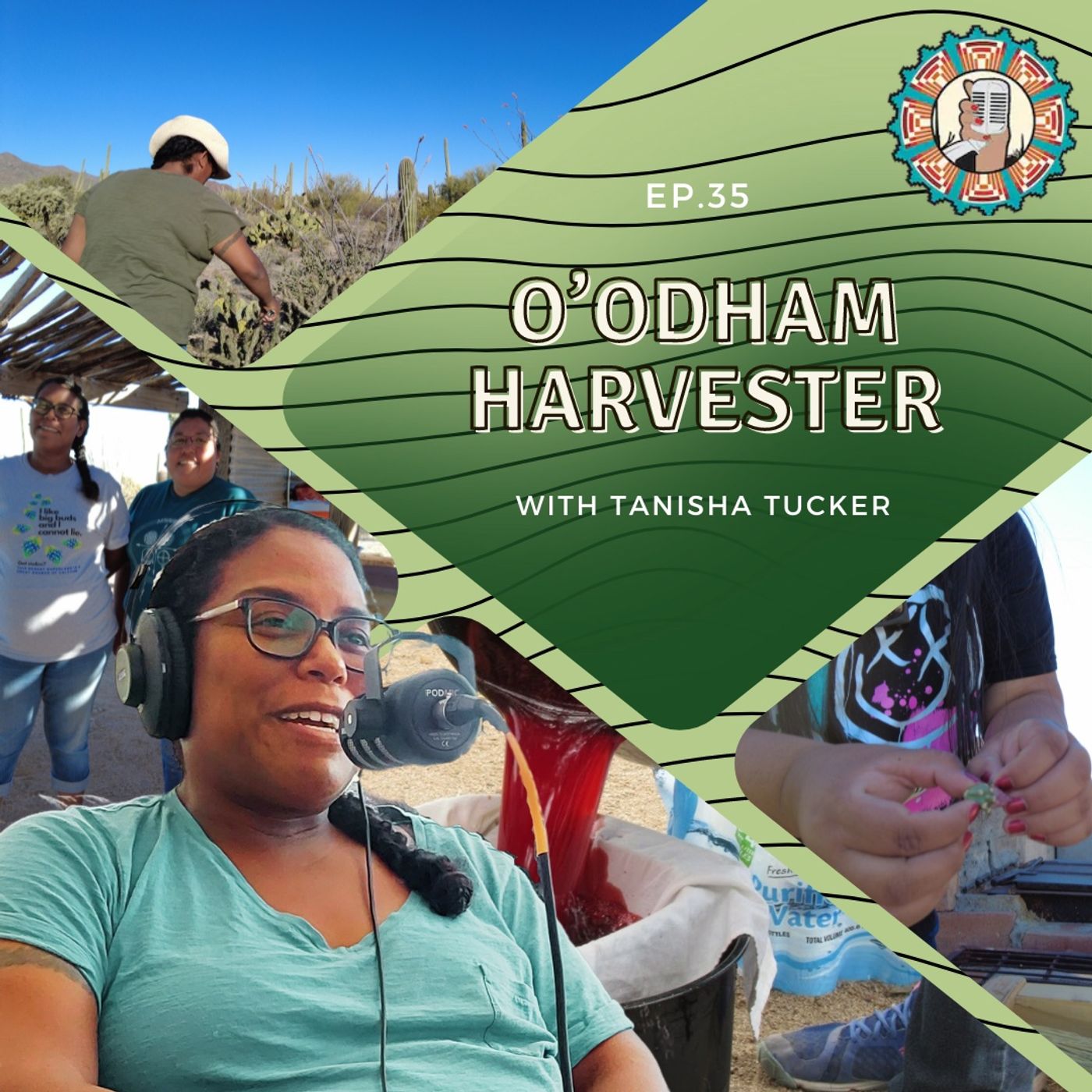
In this episode Exec. Producer, Tina and guesthttps://www.artists-at-work.org/tanisha-tucker-lohse share their last thoughts about our partnership with the https://www.artists-at-work.org/ as it comes to an end. Over the past months Tanisha has been a...


Recorded: August 2023
0:00 For full disclosure. The views and opinions expressed in this podcast are those are the guests in the host. The content here is for informational purposes only. All right, well, Tunisia, your back has been a minute and I'm happy to have you back here on the podcast, and yeah, get to catch up with you. Summer's over and you know everything with Artists at Work, just gonna share a little bit more, talk a little bit more with how that has all been going. Of course talking about how was the sorrow for harvesting Hashan bach Masha than are there anything else that you're working on?
0:45 As things might be coming for an end for you during the Artist at Work program? So, I know the last time we talked it was more of the jaredom and climate change and we had that whole awesome conversation up amount off that wind. Yeah, it was nice. So what have you been up to? How's it going? Well, everything's going well. You know. The camp was super busy this year. We had lots of groups out. There were even some groups that came out that I haven't seen since pre pandemic. And to actually catch up with them and have them come out again, it was really nice. It was really nice. So we were back you know how we usually are before COVID and all the groups and the large groups coming out and lots of gathering, lots of picking. The fruit was good this year. It was on a slower I guess you would say ripening scale.
1:40 I think that's just because it started off in June so cool, and then it gradually got hot and then it just stayed hot and gave the time for the fruit to just take their time and ripen up. So we had a good window to pick. And it was good because we had quite a bit of classes, like I was saying, so we were able to book them all in. And yeah, we had some gentlemen come down from Scottsdale. They took some pictures of us and we are going to be featured in a he called it a coffee table book. Wow. Yeah, he's got all these it's all about Saros, So he's went all over and taking these really cool pictures of all these different Saros And yeah, it would be really nice to see that that whole collection of pictures he got. Yeah, but it was good working with them. And then we had some you know people come out, and another lady come out and do a documentary, so hopefully that we'll come out soon. We'll see when that that debuts, but she does definitely wants to put it out at the film festival. Wow, that is so cool. Yeah, you know, it was nice to get out there this year to pick. I feel like it was a good year for the Bye Dutch. They were out and we got to get as much as we could and just you know, participated in other things with picking, with eating, all those good things, hanging out, catching uh with you and Maria. It was nice to see her. You know, every summer, you know, you look forward to for anybody who's a season or harvester, you look forward to seeing the same people doing the same thing every year, and you look forward to those times. So yeah, that was a really
3:14 good time for me to be able to go out there, not only with me, but Breath. It's been awesome to have her out there with me to share the culture. And you know, she is from Dene Silis Kutney and she has just really embraced the out of culture and tradition and language and learning. So she really enjoys, you know, being accepted into the community, into the local indigenous community, right here but with Artists at Work program. But where are you at with that? I know in the beginning we kind of talked about what it was going to be, where you're going to be working on in the community. How has the program regressed? What are all the things that you have been able to do as an Artist at Work?
4:02 You know, I think we did what we wanted to do and what we wanted to accomplish, and it's the constant reaching out to the community, getting them involved in harvesting, you know, indigenous foods, and I've been doing this for years and it's always nice to create more connections with other people. So I think, you know, we we did quite a bit of work this year, and right now, you know, we're ending the Artist at Work program. It's going to be ending the end of September. But yeah, I think, you know, from what I felt this year, it was it was really successful and we definitely did have quite a bit of conversations and meetings about everything that was happening, and all the crew with Artists at Work were very happy with our progress and everything we were doing. So it'll be nice to shoot them some of those pictures and films and the picture book that comes out, you know, so that we can show that all that we accomplished this year. That's awesome. Yeah. And is this your first time participating in the Artists at Work program? Yeah, the first time with the Artist at Work program. Of course, I've worked with Southwest Folk Alliance from the Master Apprentice Award, which we my mom and I received years ago, I want to say, twenty seventeen. So it was nice to kind of connect back with everybody, you know, with Denise and Kimmy and you know, and just be back amongst all of them. Yeah, that's awesome, amazing, amazing work. And not just for yourself but other participants
5:34 that are you know, throughout the borderlands and other states. What has that been like as far as meeting other artists, what are they doing? Is it similar? Is it different? You know with the meetings and gathering with the different artists. I tend to be more of the culinary art person, so traditional cultural, indigenous food type, I guess you would say artists. A lot of the artists through this program, they've you know, they go everywhere from music to theater to graphics and basket weavers and you know, and just sitting there and talking with them, you know, it's like seeing what they're doing and it's really awesome. Like I said, that's a really good area to network with so many different artists, not only here in the Borderlands but all the way up to the East Coast. But yeah, they've you know, been doing quite a bit also progressing in this whole residency, this one year grant that we had, so it was really nice to see those familiar faces and discuss and see what they're up to and with the harvesting, you know. Recently with our as a part of our Desert food Way series, we've been focusing a lot on the Cooie weehawk, the mesquit tree and doing different things, sharing informational things about it. I participated in the mesquite harvesting workshop at Santa brid co Op, so that was really fun to get out there and just learn hands on and see how the farm does it,
7:05 how they process it, and then also trying out recipes for it. And then also the intern student intern Mia is working on a TikTok video to actually show making mesquite pancakes. So we're just have a lot of content right now that we're creating all surrounding we hug is there anything that's coming up in the fall season that you harvest or is it usually just springtime and summertime harvesting that you do. It's usually just springtime and summertime harvesting. I'm starting to pick.
7:45 Of course, the prickly pair are already too. So you know, I just spoke with somebody or saw an email come through that maybe we'll possibly do a harvest of that. But yeah, the mesquite, we have done some mesquite. My mom did some mesquite harvest. It wasn't so much because it is a lot of work and you have to have you know, your take that to the mill. But I used to see my Grandmajuanna. She used to sit there with her her her mocahete, you know, and just pound it and then she would make her cakes out of it. So it was you know, it wasn't on a large scale. Was more of just when you needed it to eat it. Yeah. Cool, And you know, I always love to hear from the elders stories what they did and how they did things. But when I was doing research of this whole thing, that was one thing that I did read about the cakes. What did that taste like? Well, you know, I having it so young, I kind of very very little remember, but I just remember she would make her It was like a layer of the mesquite flower and then she would sprinkle water on it to kind of get it like patty like, and then she'd sprinkle some more mesquite flour and it was kind of like in those layers, and then she would have that and she would eat that. I'm not sure.
9:01 I can't remember if she would like pour any syrup on there, because if she would of course do this when she was kind of out at the camp still, you know, with the way the harvesting went, you know, they would show up before the swirlfruit were ready, probably harvest choya and harvest everything else, finish off the swirl harvest, and then start on something else. And that's what they would kind of just be around until they were done harvesting out in that area. But yeah, I remember seeing her and my mom telling me about her mesquite cake that she would make. Yeah, I was surprised, but I thought that was really cool. And another thing that I in doing my research, I found out that the green ones, the jud luck quee huck is what they used too, since they were still had moisture in them, they're not dry. They would crush them to get the extract the liquid out of it and make like a tea, which I thought was really cool too. But yeah, we just found out a lot of really good information and fun fa acts about all about the mesquite a lot to do with it. You can do a lot with it. So are you a third generation of being a harvester and somebody who's kind of taken that role?
10:16 Because I know your aunt, Grandma Juanita Hill, she was also you know, she was in a lot of online stories, and then your mom also the same, very popular, very you know, willing to share and being open about what she does. And then you're also doing that same thing. So was that like a third generation of sharing and carrying on? Actually I think it's fourth really, you know, even though I call her grandma Juanna, she's my great great great aunt. Wow, Okay, because oh, actually she's my great great aunt. So yeah, that would be like, yeah, third, third, fourth generation. And I know even her parents would do the same they were harvesting because she just recently we sat down with the gentleman and he was telling us all these stories about being around her, and she was telling lots of stories and how she would point out where her mom's camp was and it was in that area, not exactly where we're at in the park, but kind of further out. And you know, it's like, okay, so that that parent was harvesting, her parents were harvesting, so that means they learned that from somewhere else to their parents.
11:26 So there's it's it's the lineage is pretty long in that generational ancestral knowledge. That's amazing. That's so cool. I feel like, for me, it is just a way of life, and it's a way. It's a life that I grew up doing harvesting without even really thinking about it. We just did it because that's what we did, and that's what we've seen, and that's what our grandparents told us to do and and other adults told us to do. So we just did those things. And it wasn't until I got older in my adult years that I realized the importance and the value behind all those things that we did growing up. But when you think about someone who didn't really grow up doing those things and they're just barely learning, what do you say to the individual that maybe wants to do those things but how do you go about as a way of life and doing all the things that you do and the importance behind that. You know, I continue to with us being out there at that camp site. You know, it's a space for people to learn, you know, as my grandma Wanna was out there and my mom did the same thing. She kept that space open for those who either forgot or you know, wanted to learn and just that reconnection. Because we've had people who've came out who were elders and they just remember doing this as children and they've you know, they've gotten busy with the modern world and
12:56 living life and working, and you know they remember that smell and that taste, and you know they want to come back and maybe do it again, or even just come back and be with us. I just say, come back and learn, you know, whenever you're ready. We're all also learning a lot too every day from different elders that come out to visit with us, and they share their stories and their cult you know, how they did their traditional harvesting and cooking and what the names for things they had they called it. And it's never I don't feel like it's not a thing about You're not atom enough or you need to know these things because we all have kind of lost our connections in that in certain ways. So I feel it's beautiful when you know, people do come back and reconnect and I'm happy, you know, to still be there and be able to teach what I know and also be able to learn from others. I think that it's just, you know, without a question and without a thing of like, okay, you know, I just it's not like something you're choosing to do. It's just something that kind of it just becomes a way of life and you go on living your life because you were taught and you grew up to do things a certain way. And yeah, and I think that you know, without that reconnection and that knowledge sharing and that commitment to our younger people to encourage them to feel like they can do these things is important. And I think that's why I really appreciate the work that you do that your family has done over
14:31 all these years. Generations, so many generations have come through that camp over the years and have had the opportunity to really embrace who they are, their culture, the language, how they do things, and the exchanging of stories between different generations. All under that wat though I think it's just really awesome and really powerful to know that that is there with harvesting. Every year you harvest different things. So what is it during the springtime? So would you say that fall is kind of like a little break for you just to kind of enjoy things and then you look forward to the following year. Yeah, well it starts to become your harbordation, you know, where your or hibernating time. You've worked summer all summer and you know, it's brutal, it's hot, You've done a lot of work, and you know, worked with a lot of groups and people. It's kind of like that downtime that that that's kind of a renewal time for us and you know to get ready and prepare for the following year, because yeah, it just it goes by so fast. That's awesome. So what they eat? Bye? Can you tell us a little bit about that? And when do you do you harvest every year or is it just something that you kind of do here every now and then something comes up or are you feeling the need to wanting to harvest?
16:00 They eat? By which for those who may not know that, we're talking about the prickly pear fruit which is in season now, and I've seen a lot of atham online on social media making their video stories, reels, TikTok videos all about the eat by and harvesting it. Yeah, you know, it's kind of like because you know, unfortunately it is very commercialized. You can I can go to sprouts and buy the juice concentrated right now. It's you know, I still like to get out there and pick it fresh and you know, make my own juice and have it at the house ready to use. So it's kind of on a basis of when I need some, but you know, I do appreciate it every year and seeing those beautiful fruit and they're all dark red and ready to be picked, and going out there and just picking a little bit and then I have some to add to my juice or to cook with or to make even some kind of syrup with it.
16:53 But you know, so many people know so many recipes about that, so I think it's that's definitely a popular item as far as well. I can't say even a desert indigenous foods because prickly pear grow out quite a bit of places. You know, they grow in different climates all the way out, you know, overseas, so you know, to have that around here in the desert, it's nice to indulge in that, and it's a good treat and it's definitely, you know, good health food. Yeah, so I actually talk about commercialized. I was able to buy a prickly pear jelly at a shop recently. It's a small jar, you know, but I think it's worth buying it if I'm not gonna make my own. Yeah, it's a lot different because it's the taste is more sour, so you know, you have to add a little sugar to it, and then you you add your pecked in or whatever thickening agent and you need to for that, and you know, it's it's it takes a little bit more to get it to where it's a jam or a jelly or a syrup state. But you know, just having it fresh to make into you know, the used to mix into like lemonade or tea or for those who indulge in the margarita's prickly pear margaritas. You know, yeah, you can. It's just nice to have that juice, you know. I just have it in the fridge and I add it to my orange juice in the morning. Nice because it's you know, very good at lowering the blood pressure and doing you know, helping with the glycemic levels. But yeah, I see prickly pear candy, I see prickly pear everything, every prickly pear of licorice, prickly pear bear.
18:29 It's yes, it's just all over. And it's it's a bit of a process because one year, me and my mom did go out and harvest prickly pear fruit and that's when I attempted to make prickly pear jelly. And I did the same thing. I went to the store, bought some of the gelatin what is it? Yeah, yeah, and I bought that and so but yeah, it was like a process because you like there's those tiny, tiny little stickers on there and cleaning them and the seeds are are like way different than than the Bilutch seeds. They have this layer, thick layer of their skin on them. And yeah, so it was it was a little bit a lot for me from one person. What is that process like for you? Same? You know, it's the same thing getting them open.
19:21 I've seen people on YouTube videos where they actually kind of torch all those stickers off and you know, they have their different ways of doing it, but you know, I was just holding it with tongs, cutting them open and then just scooping them out and putting them in like a like a metal a mess strainer. And then once you start stirring it, all of a sudden, you know, all the juice just it starts releasing, and you know, I'll catch all that juice and try and extract as much from the seeds as as possible because those seeds, I mean, some people say they like to eat the seeds. I kind of prefer not to, you know, keep them. They'll just go into the compost pile or something. But yeah, and just reserving that juice. Even if you purchase it in the store, it says it can only last about five seven days. And I had some and I was like, oh, I probably should put these in some ice cube trays and freeze them. And the minute I opened that jar, it was like shit, because I was like, oh, I think I get this too long. But now it's you know, I can go out and grab some more and I may make something out of that. I'll kind of play around with it. So what's when harvesting them? Because you know there's different colors. There's a light pink there, you know, there's gets really dark purple. When do you know, how do you know which is the best one to pick? I personally like to pick the darker ones.
20:32 You know, I've heard wait until they get really dark. And also someone else told me don't pick anything near the road. Always kind of walk back away from the road for whatever reason. I didn't even ask why they said that, but you know, and I just kind of go away from the road and try and get those really nice dark ones that I see on the prick. They pair and you know, the pink ones, I'm not sure if they're not as juicy and sweet yet, but you know, just like with the bite Thattch, I just kind of leave those ones a loan because I feel like maybe that color is an indication of how ripe they are. Yeah, very true. Cool. It was really awesome to be able to spend more time with you during this year, as with this whole partnership with Artist at Work program. It was definitely an excuse for me to be with you again, to be harvesting and just learn. And you know, I've said it before in the content that we put out, like you've really been a mentor to us as a team this whole time, sharing your knowledge, passing your knowledge down, encouraging and giving us those hands on experiences with the different seasons this year. And we absolutely appreciate the time and dedication and commitment that you have away from your family or with your family to do what you do all in the name of the culture, the autum hammadug So, I appreciate that, and it's been awesome. It's been a fun year working with
22:04 you. And I'm sure this's not I know, this is not going to be the last time. Will always I feel like, you know that can definitely happen aglutely yes, But as you know, you're harvesting time comes to an end and you're going to be going into hibernation. What is that feeling like at the end of the seasons for you? You know, it feels nice to have survived the summer and you know, gotten to see the season change and then I you know, even going up to the camp again during the fall in the winter, it's like, oh to be out here when it's so cool, you know, and usually we're there when it's super hot and you know, we're working and we're we're over the fire and cooking.
22:55 You know, it's it's just nice to have that little bit of downtime, you know, to just kind of be indoors and having that time to be with the family and getting prepared for holidays and everything that's coming around, and you know, even to enjoy all the things we've harvested, the syrup, the jeodim, you know, making our stews and just being in the home with everybody. So it's really nice. That's amazing. Yeah, speaking of the holidays or an emoshan do you do an emohan? We do? We do cool. So what do you guys usually do every year? Is like the whole thing with the feeding and cleaning or is it just is so for me and my family, we usually just do the cleaning of the graves and the roadsides if there's one, and putting fresh flowers and candles, and we don't really do the whole feeding part. Yeah, we do. And that's another thing that you know, traditionally the family has always kind of done.
23:52 You know, my mom having her siblings all there, the women, all the her sisters, you know, they would get together. It was like a whole process. Now we which we still kind of do we go all the way down to Nogalis into Mexico and purchase all the wreaths and come back with them and clean the graves all the way from to Pawa to Bantak to Santavie. I still have my mom's old list of all the graves. You know, we're we're we're cleaning who gets what? Female? Male, of course, because some of them are so old they don't have any markings. And she's replaced the crosses. But she's always reminded me when we do it every year. These are this is so and So's son, this is a you know, this is a girl, this is a boy, and you know this is your grandpa, this is your grandma's grave. And we get them all clean and ready, repair anything that needs to be repaired on them, and get the candles and everything out and and then yeah, and then it's a process. So we make our jitimith, we make Tamali's, our cocohelo. We do beans, we do squash, we do everything. The plate you know, my aunt Rose had her set that we would use to set everything out, and that's the plates we only use during feeding. And you know the list of liquors and wines and cigarettes to get and it's love to do it, but it's also sad because then we lose. During that next year, we've added another person onto that feeding list or the you know, to get a wreath for, because you know, as we keep going
25:22 on, we lose, we lose our loved ones, so you know, we keep adding the extra plate for someone. But yeah, we get everything ready and we always have our food out on the second, you know, we get the get the food prepared and leave it out. And it's always at my Aunt Roses which is now my my cousin Anna's house, and we get everything prepared there and get all the tables and yeah, we get everything together and then feed the next day and then everybody you know comes over and eats and takes food home. And man, that's so true about when you lose some money and you add an extra plate to that, an extra name to that list. And this year it's it's you know, my mom, it's still she passed in our in February, the last day of February twenty eight. For me, it was me and her that we were the only ones left to do all those things, clean the graves, by all everything and now she's not here, and so I'm looking to my siblings and hopes that they can help me, and they will help me this year because again, my grandparents are no longer here, My aunts and uncles are all older now they can't you know, do the things that they used to do.
26:42 So now it's up to us to carry on those traditions. So yeah, it's yeah, things like that coming up holiday season, but yeah, I know that that's definitely one thing. Her day Morshawn is a big for us ought them out here in southern Nati Shan and for those who are not familiar, who don't even know what we're talking about when we're seeing our Damoshan, we're referring to All Soul's Day, which was a big part is a big part of Thawn autam Nation because it was something that was integrated into our culture by the Catholics. The Catholic tradition that we've I guess pretty much inherited for many autam because there are many atham that are Catholic and also have that way of life as well. But yeah, you know, is there any last words? As we're ending, this may be the last final Artist at Work program as it's coming to an end for you. Is any encouragements about your experience and would you recommend it to someone else who may be thinking or it's curious about the program? I mean absolutely, you know, it was a way that this program came about to support artists during especially during COVID, because of the loss of profits and funding that we had. If we're doing this solely on you know, this is our main main bread and butter and as
28:15 artist and that term does go for real the struggling artists. We're always trying to keep up our creativity and our our cultures and traditions as well as bringing in income. And sometimes that's a hard balance to do because you know, you want to create an income for yourself, but you also have this drive to continue to do this artwork and you know, be a part of the culture and tradition. So you know, I definitely would recommend this program to any of the artists who are looking for this. The funding, the Artist at Work program had a great set up. You know, they offered healthcare for the year and did the grant which came through every you know, every two weeks you were getting paid and that helps support you know, a lot what I was doing to teach these classes and to be out there with groups, and so you know, I'm really thankful that this program is around, and I was thankful that Denise came to me and wanted to bring me on.
29:12 And of course again I was even more happy to see that I had Tina as my social impact partner. I was like, oh, you know, this is great because we get to work together again and reconnect and you know, it's so nice to see where you're at with this podcast and this beautiful platform you've created for the autham community. And it's been an exciting adventure this year, and you know, it's just I'm looking forward to continuing on working with you, even though it's not with the artists at work, you know, under that umbrella of that program. But you know, there's many more things we're going to get, you know, have do it. We're going to do during the year, I'm sure, and absolutely again for other Harvests, especially at the camp. Well, thank you again for you know, this partnership, the learning experience that you've given us as a podcast team, and for sharing your knowledge not just with us but with a greater public and being willing to be a part of our platform and with a web page and sharing recipes. It's just been an awesome time with you, having you as an artist at Work Presidency, and I'm glad that you you found it exciting to have this type of partnership and be a part of what we do also as a podcast, and I appreciate the time that you've taken with us and for everyone else, and I hope you have a good rest. Oh, I appreciate this too. I mean, it's it's been wonderful. It's been you know, it's been awesome, and you know, just networking,
30:42 like I said, just getting in connection with so many people, you know, even bringing Free out there and letting her sample things and seeing her have it for the first time. It's that like light bulb that goes off where you're introducing someone to something new and it's like, oh my goodness, this is this is amazing or this is delicious, and I just you know, I want to continue doing that, and I want to continue inviting people to come out and to participate because you know, it's such a beautiful garden we have out there. You know, we're lucky and fortunate to have some of these plants that you know, survive through all different weather changes and you know, droughts and everything. So you know, they provide every year for us, and we're appreciative of them and thankful to them, all the people from the community autem non aut them who come out and just help and harvest with us and enjoy all of that. So we really do appreciate it. Yeah, and if you're curious to see maybe even to see what Tanisha is working on here a little bit of or learn a little bit of her background, see some of the recipes that she shared with us, you can definitely check out our website t oh Young Voices dot com. You can click on one of the tabs, the artists at Work tab, and there's the web page that was dedicated specifically to her and our partnership. So encourage you all to go and check that out right after this episode. So I once again thank y'all so much for listening in Right here, I'm executive producer Tina Andrew,
32:15 and I want to give a shout out to the podcast team, the content creator Bree who's done some amazing work for our social media platforms, Napoleon, who is the admin assistant and who has been the one to outreach to various folks to try to get us some awesome interviews and some awesome topics for all you listeners to enjoy. And who our student intern Mia, who helping us manage our TikTok accounts. So shout out to the podcast team, shout out to you Tunisha, and it's been a pleasure, it's been awesome, it's been fun. And shout out to the folks of the Artists at Work program the Din Din did